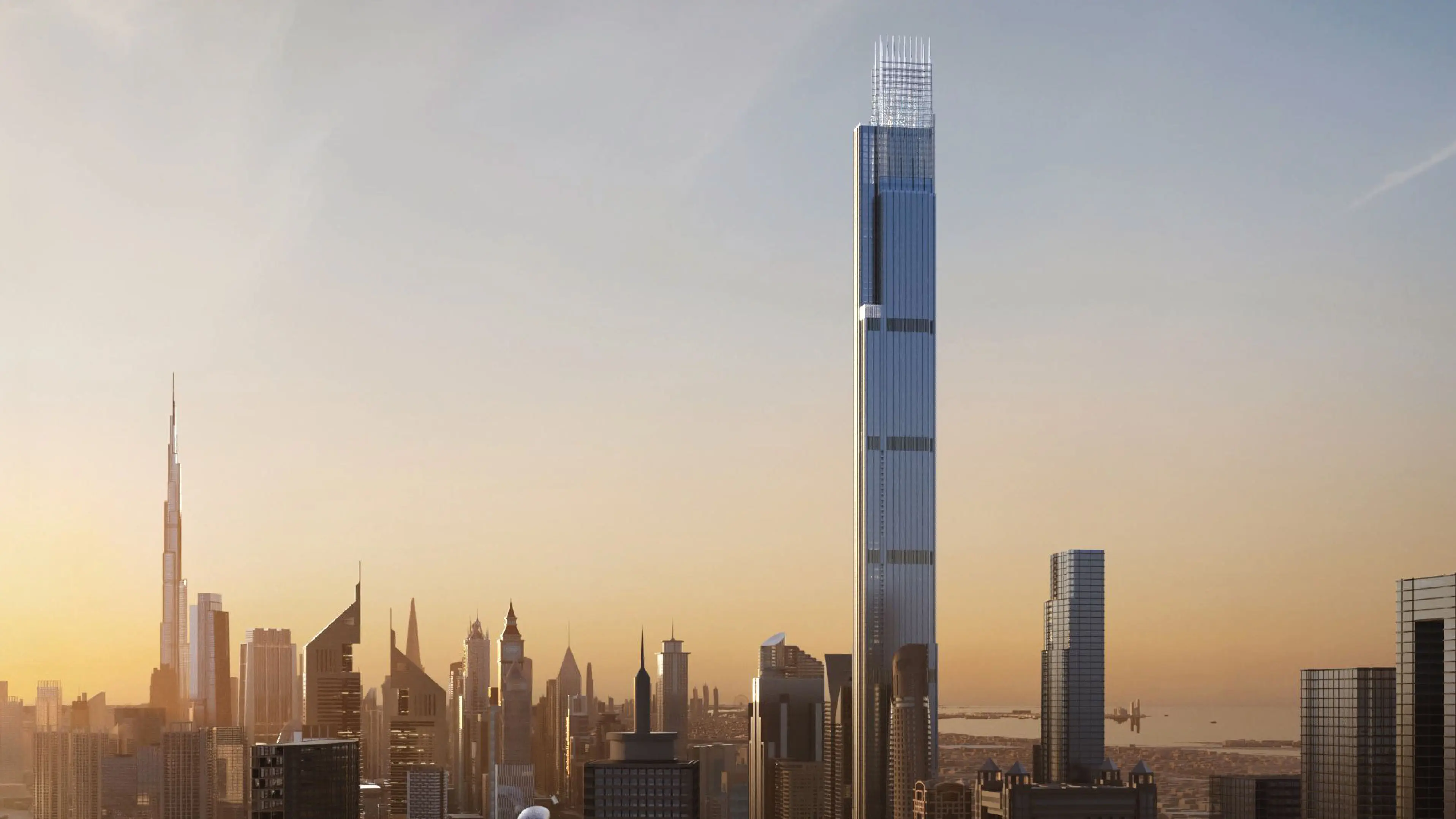
Dubai’s skyline is set to welcome another architectural icon as Azizi Developments revealed update...



If uncertainty continues, transaction volumes may soften in the short term. Analysts note that this shift comes at a time when Dubai’s property market is preparing for a significant increase in housing supply, with more than 100,000 new residential units expected to enter the market this year. A slower pace of sales combined with increased inventory could gradually place downward pressure on property prices.
Industry estimates indicate that approximately 120,000 units are scheduled for delivery this year — nearly double the usual annual supply of 60,000 to 65,000 units. Should buyer activity slow amid global tensions, pricing adjustments may begin to appear over the coming quarters as transaction momentum weakens. Experts believe reduced deal closures could naturally influence market valuations.
Real estate professionals emphasize that geopolitical events generally create hesitation rather than market disruption. Buyers often postpone final decisions, reassess risk exposure, or negotiate more aggressively during uncertain periods. Such behavior typically affects short-term activity while leaving long-term market fundamentals intact.
According to market observers, geopolitical uncertainty usually results in temporary caution rather than structural decline. Speculative and transactional activity may slow initially, but long-term investment capital tends to reposition itself toward stable and transparent markets.
Dubai continues to attract high-net-worth investors from Europe and Asia due to its reputation as a secure investment destination. During periods of global instability, capital often shifts toward markets offering regulatory clarity, stable returns, and strong wealth-preservation opportunities.
Experts highlight that investment capital rarely disappears during global crises; instead, it moves toward safer asset classes and regions. Dubai’s dollar-pegged currency, tax-friendly environment, and residency-linked investment programs strengthen its position as a geopolitical hedge within global real estate portfolios.
However, if uncertainty persists for an extended period, its effects may become more noticeable over the next few quarters. Slower transaction volumes could create pricing pressure, particularly in speculative and off-plan property segments. Even in the event of conflict de-escalation, buyer sentiment may remain moderately cautious as international investors reassess exposure based on evolving geopolitical dynamics.
Across Middle Eastern property markets, a temporary “wait-and-watch” approach may emerge among buyers. This environment could encourage stronger price negotiations, especially in secondary market properties, where discounts or price corrections of approximately 3–7% may become more common.
Despite short-term uncertainties, Indian investors remain one of the strongest buyer groups in Dubai’s real estate market. The UAE’s Golden Visa program has significantly enhanced Dubai’s appeal as both an investment hub and a preferred second-home destination.
In 2025, Indian buyers accounted for nearly 23% of all foreign real estate transactions in Dubai, reflecting sustained confidence in the emirate’s property sector. Key factors driving demand include the absence of income and capital gains taxes, which improves long-term investment returns compared to many global markets.
Additional advantages such as currency diversification, residency-linked investment opportunities, world-class infrastructure, and a mature rental ecosystem further strengthen Dubai’s investment appeal. Rental yields averaging between 7% and 9% — considerably higher than the typical 2% to 4% seen in major Indian cities — continue to attract both end-users and investors seeking stable income-generating assets.